



Corrosion protection through a physical barrier – visibly effective.
PFINDER provides long-lasting protection for surfaces—with custom-formulated waxes, varnishes, and protective coatings.
Corrosion is a natural, electrochemical process that degrades metallic materials and, in the worst case, compromises the function or safety of a component. Corrosion protection aims to slow down or completely prevent this process. By using suitable corrosion protection agents, intelligent material selection, and state-of-the-art technologies, the service life of metal components can be significantly extended. Whether in automotive engineering, industry, or manufacturing: corrosion protection is indispensable wherever metals such as steel or aluminum are used.
If the barrier works, the material is protected.
Corrosion occurs through contact with water, oxygen, and salt. PFINDER products take action before damage occurs: Our physical barriers interrupt contact between the metal and its surroundings —providing a permanent, application-specific, and safe solution.
- No chance for rust thanks to dense protective layers
- Customized solutions for cavities, underbody, and more
- Effective even under mechanical stress, heat, and moisture
- Long-lasting, removable without leaving residue, or permanent
Discover our technologies – protection that builds you up


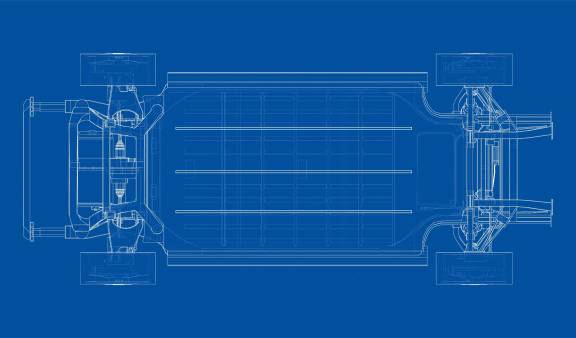
Corrosion protection tailored to the material
Corrosion inhibitors and their applications
Depending on the application, different corrosion inhibitors are used:
- Undercoating: Protection of hard-to-reach areas in the bodywork
- Underbody protection: Protects vehicles from stone chips, moisture, and salt
- Paint-like coatings: Provide a paint-like film and functional protection
- Temporary corrosion protection: For transport and storage
- Cleaners: Removal of wax residues (e.g., overspray) and temporary protective coatings
All these products serve one purpose: to effectively protect metal from corrosion —regardless of the application.
Corrosion Protection in Practice
A modern vehicle consists of hundreds of metal components, many of which are installed on the exterior or in cavities. Without effective corrosion protection, rust would cause visible and invisible damage within a short period of time.
But not only in the automotive industry, but also in areas such as:
- All types of vehicle manufacturing (buses, trucks, ACE)
- Aerospace technology
- Rail vehicles
- Power plants
- Mechanical engineering
- Agricultural technology
Protection against corrosion is crucial for the functional reliability and service life of the products.

The mechanism behind the protection
Corrosion protection is based on isolation.
Our coatings block the path of corrosive media to the metal surface. They form a continuous, adhesive, flexible layer that prevents both water and salt from penetrating—even in the event of minor damage.
Benefits at a Glance
Long-term corrosion protection with minimal coating application
Resistant to heat, cold, moisture, and chemicals
Good adhesion to various metals: steel, zinc, copper, aluminum
Sustainable & label-free
Easy to use – can be integrated manually or automatically
Corrosion Protection for Screws in Battery Systems | Protection Against Contact Corrosion
Wax-based protective systems for screws and fasteners in battery systems to protect against corrosion and moisture.Korrosionsschutz im Hohlraum
Hohlraumstrukturen von Fahrzeugkarosserien bilden effiziente Konstruktionen mit hoher Steifigkeit und Crashschutzrelevanz und daher müssen sie besonders bei Feuchtigkeit vor Korrosion geschützt werden.Steinschlagschutz für Achsträger | Korrosionsschutzsysteme
Robuste Schutzsysteme für Achsträger gegen Steinschlag, Feuchtigkeit und Korrosion.
Which product provides the best protection for your surface?
Choosing the right corrosion protection is always a case-by-case decision: Geometry, material, stress, and application method determine whether cavity wax, underbody protection, paint-like coatings, or temporary protection is the best solution. Our experts analyze your components and processes, work with you to define the protection requirements, and recommend the right product—including testing at our technical center and support through to series production, if desired.